Green Floral Elements in Modern Graphic Design
Imagine opening a brand package and feeling an immediate sense of freshness, vitality, and organic sophistication. That is the quiet power of Green Floral Elements in visual design. These aren't just decorative add-ons; they are strategic creative assets that can transform ordinary layouts into compelling brand stories. Whether you're crafting a luxury skincare identity or refreshing a wellness blog, botanical motifs paired with lush green tones bring a sense of renewal that few other design choices can match.
For designers, marketers, and business owners seeking to elevate their creative projects, understanding how to select and apply floral-inspired graphics is essential. The right elements don't just fill space—they reinforce your message, guide the viewer's eye, and establish an emotional connection before a single word is read. With the growing demand for nature-infused aesthetics across digital and print media, green botanical graphics have become a cornerstone of contemporary visual communication.
Why Green Floral Elements Matter in Branding and Identity
Color psychology tells us that green represents growth, harmony, and balance. When combined with floral shapes and organic linework, the result is a visual language that feels both grounding and aspirational. In brand identity development, these elements can soften a corporate feel, add warmth to minimalist layouts, or reinforce eco-conscious values without being overtly literal.
Consider a logo design for an organic tea company. A delicate leaf motif or a subtle wreath mark in sage green communicates natural purity instantly. The same principle applies to packaging design, where vine illustrations or botanical borders can make a product feel artisanal and trustworthy. The key is consistency—when floral elements echo across your color palette, typography choices, and visual hierarchy, they create a cohesive system that audiences recognize and remember.
Building Emotional Resonance Through Botanical Graphics
People respond to nature imagery on a primal level. Flowers and foliage trigger associations with freshness, wellness, and sustainability. Smart designers leverage this by integrating green floral accents into social media graphics, email headers, and web design components. A hero banner with subtle eucalyptus sprigs behind headline text, for instance, adds depth without distraction. The goal is enhancement, not decoration for its own sake.
Practical Applications Across Creative Projects
The versatility of botanical design elements means they fit seamlessly into nearly every medium. Here are some of the most impactful ways creative professionals are using them today:
- Branding and logo design: Monograms with floral wreaths, leaf-inspired icon marks, and organic badge logos for lifestyle brands.
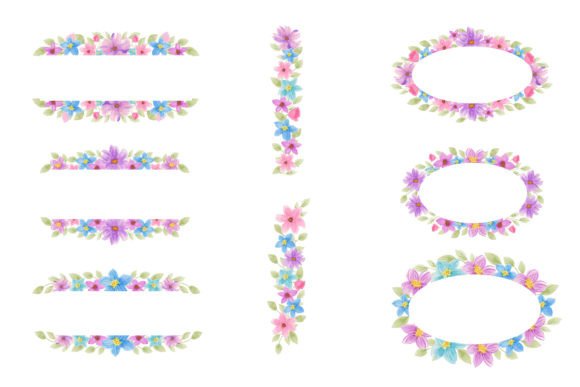
- Marketing materials: Brochures, flyers, and business cards that use botanical borders or watercolor greenery as framing devices.
- Social media content: Quote cards, story templates, and post backgrounds where layered foliage adds texture and visual interest.
- Website and UI design: Subtle leaf dividers, botanical illustration accents in hero sections, and organic patterns for background textures.
- Editorial layouts: Magazine spreads and lookbooks that incorporate floral spot illustrations to break up text and guide reading flow.
- Packaging design: Product boxes, labels, and tissue paper featuring delicate green botanical prints for a premium unboxing experience.
- Advertising campaigns: Digital ads and billboards where oversized floral elements create striking visual contrast against clean typography.
- Presentations: Pitch decks and client proposals that use greenery motifs as subtle slide accents for a polished, professional look.
- Merchandise: Tote bags, apparel, and stationery that carry botanical patterns for lifestyle and retail brands.
- Digital products: E-books, lead magnets, and downloadable resources where floral design elevates perceived value.
Selecting Quality Design Assets for Professional Results
Not all floral graphics are created equal. When evaluating creative assets for your workflow, prioritize resolution, scalability, and format flexibility. High-quality files ensure your work translates beautifully from screen to print without pixelation or color shifts. Look for collections that offer multiple file types so you can move effortlessly between Adobe Illustrator, Photoshop, and other design tools in your design workflow.
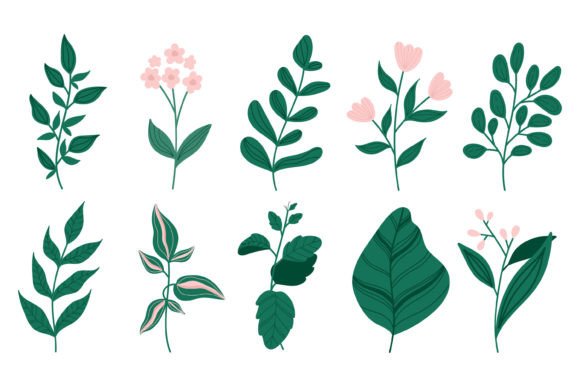
For instance, having access to 10 transparent-background PNG files at 4000x4000 pixels and 300dpi gives you instant usability for digital projects. Meanwhile, vector formats like EPS, AI, and SVG are non-negotiable for print design and any work requiring infinite scaling. A well-rounded asset pack saves hours of manual tracing or resolution fixes, letting you focus on composition and creative direction instead.
Maintaining Visual Consistency Across Brand Touchpoints
One of the biggest challenges in multi-platform design is keeping elements cohesive. A floral accent that looks crisp on Instagram might blur on a trade show banner if the source file lacks proper resolution. This is where vector formats shine—they scale infinitely while preserving clean lines and precise curves. Whether you're designing a tiny app icon or a massive storefront window graphic, vector botanical elements remain razor-sharp.
Pay attention to line weight consistency as well. Thin, delicate stems might read beautifully in editorial design but disappear on small mobile screens. Conversely, bold, chunky floral shapes work well for UI design buttons and icons but can feel heavy in luxury branding contexts. Match the visual weight of your botanical elements to the medium and the audience expectations you're designing for.
Integrating Floral Elements with Typography and Layout
The relationship between botanical graphics and typography can make or break a composition. When floral elements and letterforms work in harmony, the result feels intentional and premium. A common technique is using greenery as a subtle underline beneath a serif headline, or framing a central wordmark with asymmetrical leaf clusters. The organic curves of foliage naturally contrast with the structured geometry of most typefaces, creating dynamic tension that holds attention.
In web design and UX design, consider how botanical dividers or section breaks can improve scannability. A simple horizontal line of delicate leaves between content blocks feels more inviting than a stark rule line. These micro-interactions of visual design contribute to a smoother user experience without requiring complex development work.
Staying Current While Maintaining Timeless Appeal
Design trends come and go, but nature-inspired visuals have enduring staying power. What shifts is how they're rendered. Right now, modern aesthetics favor airy, watercolor-style botanicals and line-art greenery that feels hand-drawn and personal. These styles complement the broader movement toward authenticity and warmth in digital marketing and branding. Even in minimalist design systems, a single well-placed floral element can become a memorable signature that sets a brand apart.
When building out a design inspiration library or asset collection, think long-term. The green floral pack you choose today should remain usable across evolving campaign needs. Versatility matters—individual elements that can be isolated, combined, recolored, and layered give you far more mileage than rigid, pre-composed scenes. This flexibility supports everything from quick social media turnaround to comprehensive creative projects with extended timelines.
Design is ultimately about communication, and every visual choice either clarifies or clouds your message. Thoughtfully selected botanical graphics bring clarity, warmth, and a sense of life to work that might otherwise feel sterile or forgettable. By choosing high-resolution, multi-format assets that align with your brand's visual language, you invest in both immediate project quality and long-term creative agility. Whether you're refreshing a tired identity or building something entirely from scratch, the right floral elements help your work bloom with intention and professional polish.