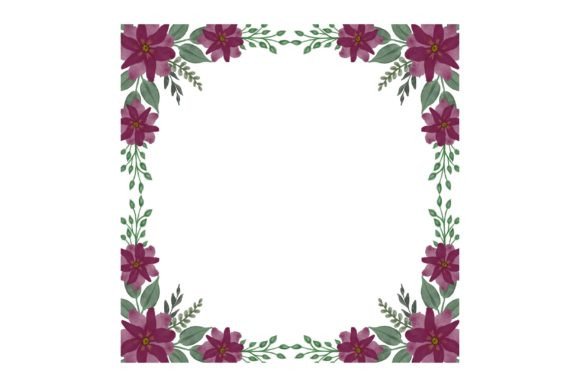
Evaluating the Red Floral Frame for Your Creative Projects
Choosing the right visual asset can shape the entire outcome of a design project. One option that consistently attracts interest is the Red Floral Frame, a watercolor illustration of arranged florals designed to function as a versatile decorative border. Whether you are preparing wedding invitations, designing custom merchandise, or building a brand identity, the decision to use a specific illustration involves practical and aesthetic considerations. This article provides a balanced look at what this asset offers, where it excels, and when another option might serve you better.
What the Red Floral Frame Actually Is
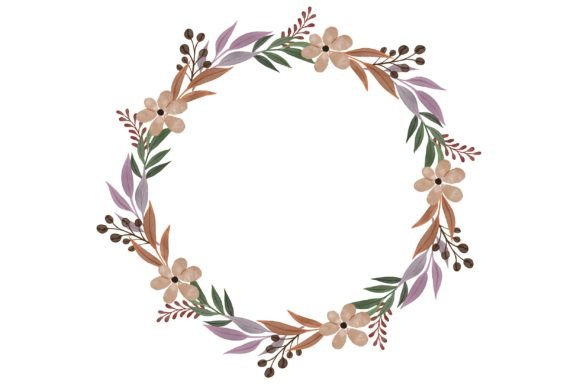
At its core, the Red Floral Frame is a pre-made digital illustration featuring a circular or semi-circular arrangement of red watercolor blooms. The frame typically leaves a transparent or solid central area where text or other elements can be placed. Unlike a flat vector icon or a generic clip art border, the watercolor medium introduces organic texture, subtle gradients, and a hand-painted feel. The inclusion of leaves, buds, and occasional splatter details enhances the sense of natural movement.
Users receive the illustration in three formats: .EPS 10 for scalable vector editing, .JPG for quick placement on solid backgrounds, and .PNG with a transparent background for seamless layering. This combination covers a wide spectrum of use cases, from professional print production to simple digital mockups. Understanding the distinction among these file types is essential for making the most of the illustration.
Why Designers and Hobbyists Consider This Asset
Demand for botanical watercolor elements continues to grow. Many people are drawn to the Red Floral Frame for reasons that extend beyond aesthetics. Here are the most common motivations:
- Time efficiency: Painting a high-quality floral frame from scratch requires advanced watercolor skills and hours of work. This asset offers an immediate, polished alternative.
- Consistency across products: When used on invitations, fabric, and mugs, the same frame creates a cohesive visual identity that is difficult to achieve with disparate elements.
- Seasonal appeal: Red florals carry strong associations with romance, winter holidays, and autumn themes, making the frame broadly marketable.
- Low barrier to entry: Even those with limited design experience can achieve professional-looking results by placing and resizing the frame.
Key Tradeoffs and Practical Considerations
A balanced evaluation requires acknowledging the limitations that come with any pre-made illustration. Expecting a single asset to perform perfectly in every context leads to disappointment. Consider these factors before purchasing or downloading:
Editing Flexibility vs. Artistic Control
The .EPS file allows you to recolor elements, remove individual flowers, or adjust line weight. However, the fundamental composition, the specific shade of red, and the watercolor texture are already determined. If you need precise control over every petal or want to alter the frame's shape dramatically, a pre-made asset may feel restrictive. The illustration works best when your vision aligns closely with the original artwork rather than requiring extensive modification.
Color Matching With Existing Palettes
Watercolor reds can vary significantly depending on the original artist's pigment choices and scanning process. A red that appears vibrant on one screen may print with orange or pink undertones. This is especially critical when the Red Floral Frame needs to match predetermined brand colors. Digital color adjustment in the .EPS format mitigates this issue, but the .JPG and .PNG versions offer less flexibility. Testing a small print segment before committing to a full run of invitations or fabric is a prudent step.
Resolution and Print Limitations
The .EPS vector format scales indefinitely without quality loss, making it suitable for large-format applications like banners or wallpaper. The raster formats, .JPG and .PNG, depend on the original pixel dimensions. If you intend to use the Red Floral Frame on a king-sized duvet cover or a large mug wrap, check the resolution specifications carefully. Enlarging a raster image beyond its native size introduces blurring that undercuts the delicate watercolor detail.
Situations Where the Red Floral Frame Is a Strong Fit
Certain projects align naturally with the strengths of this illustration. Recognizing these scenarios helps you decide whether the asset matches your goals:
- Wedding and event stationery: Invitations, save-the-date cards, menu cards, and thank-you notes benefit from the romantic, hand-painted character of red watercolor blooms. The frame creates an elegant boundary for text without overpowering the message.
- Branding for small businesses: Florists, bakeries, boutique skincare lines, and tea shops often seek a soft, natural aesthetic. A consistent floral frame across business cards, product tags, and social media templates reinforces brand recognition.
- Seasonal merchandise: The red palette suits Valentine's Day collections, Christmas product lines, and autumn-themed decor. Items like mugs, tea towels, cushion covers, and tote bags gain a premium feel with watercolor art.
- Digital wallpapers and screensavers: The transparent .PNG format allows easy placement over solid or gradient backgrounds, and the circular composition fits centered layouts common in phone and desktop screens.
- DIY craft projects: Fabric printing through on-demand services, scrapbooking, and decoupage benefit from the illustration's ready-to-use nature. Hobbyists appreciate not needing to outsource custom artwork.
When Alternatives May Be Worth Considering
No single asset fits every creative brief. There are clear situations where the Red Floral Frame proves less suitable, and exploring alternatives becomes necessary:
- Non-red color requirements: If your project demands blue, purple, or neutral florals, forcing a hue shift on a watercolor illustration can produce unnatural results. Selecting an asset originally painted in your target color yields more authentic tones.
- Minimalist or ultra-modern designs: The textured, organic quality of watercolor may clash with sleek, geometric branding or minimalist layouts. Flat vector florals or line-drawn frames might integrate more smoothly.
- Extremely large-scale prints: While the .EPS format handles scaling, the visual density of a floral frame designed for stationery may feel sparse or unbalanced when stretched to billboard dimensions. Commissioning custom large-scale artwork can address this proportional gap.
- High-volume commercial licensing: Depending on the usage terms, the included license may restrict the number of end products sold or require an extended license for mass production. Reviewing the specific permissions tied to the Red Floral Frame prevents legal complications down the line.
- Need for complete uniqueness: Since this is a commercially available asset, other designers and businesses may use the same illustration. If exclusive brand differentiation is a top priority, a custom commission from a watercolor artist provides a one-of-a-kind result.
Making a Practical Decision: Factors to Weigh
Rather than asking whether the Red Floral Frame is universally good or bad, a more productive approach is to evaluate how it serves your specific use case. The following framework can guide your assessment:
- Define the primary application. Is the asset destined for digital screens, small printed items, or large-format merchandise? The answer affects which file format matters most and whether resolution poses a concern.
- Assess your editing capabilities. Do you have access to vector editing software like Adobe Illustrator for the .EPS file, or will you rely on the .PNG in a simpler program? Your software availability influences how much you can adapt the illustration.
- Evaluate color sensitivity. If exact color matching is non-negotiable, test the file early. Unwanted undertones can sometimes be corrected, but only to a point before the watercolor integrity degrades.
- Check licensing scope. Read the included terms carefully. Determine whether the license covers your intended volume, product categories, and distribution channels. If the terms are unclear, seeking clarification from the provider saves future headaches.
- Consider the project timeline. If you need a solution immediately, the convenience of a pre-made frame outweighs the wait time for custom artwork. Where lead time allows, a custom piece might deliver better long-term satisfaction.
Balancing Convenience With Creative Ambition
The watercolor Red Floral Frame occupies a practical middle ground between starting from a blank canvas and outsourcing to a professional illustrator. It offers a shortcut that still carries artistic credibility. For many small business owners, event planners, and crafters, this balance hits exactly the right note. The asset removes the technical barrier of watercolor painting while preserving the aesthetic warmth that vector graphics alone can lack.
That said, informed expectations make all the difference. Knowing that the .EPS format unlocks editing potential but does not transform the composition entirely helps you plan accordingly. Understanding that the red hue might shift slightly across different printing substrates allows you to budget time for adjustments. These are not flaws, but rather characteristics inherent to working with pre-made illustrations.
Conclusion: Aligning the Asset With Your Goals
The Red Floral Frame stands as a solid choice for creators who value watercolor texture, want a ready-made border element, and work within a red-toned palette. Its availability in .EPS, .JPG, and .PNG formats supports a wide range of outputs, from digital wallpapers and wreath designs to physical items like fabric prints, mugs, and tees. Wedding invitations and seasonal stationery remain especially strong fits.
At the same time, projects that require strict color accuracy, a minimalist aesthetic, or fully exclusive artwork may benefit from exploring alternatives or commissioning original illustrations. The decision ultimately hinges on whether the balance of convenience, cost, and creative alignment serves your intended outcome. By examining the tradeoffs honestly and testing the files within your workflow, you can determine whether this floral illustration meets your needs or points you toward a different path.